Scientists In Awe!
Researchers discovered that it may not be too many
“bad” bacteria — but too few
“good” bacteria — behind inflamed gums,
bad breath, and teeth that seem to be
getting weaker
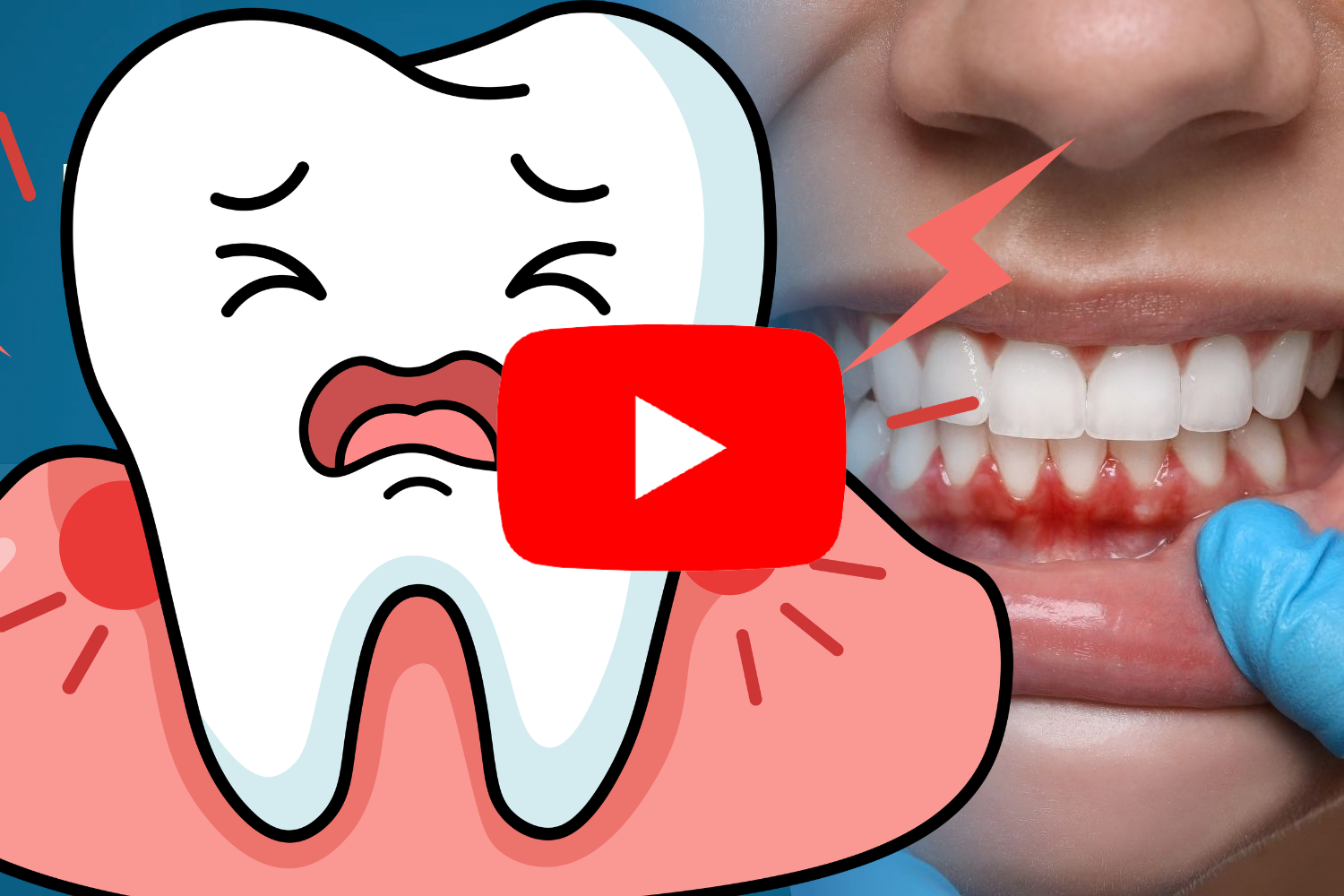
IMPORTANT HEALTH UPDATE May take up to 10 seconds to load.
Make sure your sound is on
Have you ever looked in the mirror and noticed your gums bleeding again… your breath smelling off… or your teeth just not feeling as strong as they used to?
Maybe you brush twice a day, floss, use mouthwash, and do everything your dentist tells you to do — yet somehow, the problem keeps coming back.
And that’s what makes it so frustrating. You start wondering if this is simply something you have to live with as you get older.
For many people, it isn’t just about their teeth.
It’s the embarrassment of bad breath when you’re talking to someone up close. The hesitation before smiling. The worry that one day you’ll hear those dreaded words: “We’re going to have to remove that tooth.”
And according to one surprising theory, the problem may be happening for a completely different reason than you were told.
Researchers have been looking at something most people never think about: the balance of bacteria living inside your mouth.
Because your mouth isn’t supposed to be completely bacteria-free. It has its own ecosystem — including bacteria that may actually help keep the environment in balance.
The problem, according to this theory, isn’t simply having too many “bad” bacteria. It may be having too few of the “good” ones.
This is where things get interesting.
Dr. Drew Sutton, a board-certified otolaryngologist with more than 30 years of experience, explains how researchers began looking at the mouth’s microbiome from a completely different angle.
Instead of constantly trying to kill every type of bacteria, the idea is to help repopulate the mouth with beneficial bacteria and create an environment where they can thrive.
One of the researchers discussed in the presentation is Alex Mira, a bacterial geneticist in Valencia, Spain, whose work helped bring more attention to the oral microbiome.
The presentation also points to research involving institutions including Harvard, the University of São Paulo, and the University of Otago, along with findings discussed in publications such as JADA and Science Advances.
And this isn’t simply about brushing harder or using stronger mouthwash.
The presentation explains why some common oral-care ingredients — including SLS, sodium fluoride, triclosan, artificial sweeteners, artificial colors, propylene glycol, DEA, microplastics, hydrated silica, and chlorhexidine — may deserve a closer look when it comes to maintaining the balance of your oral microbiome.
More than 150.000 people have reportedly used the approach described in the presentation.
One of them was Anne-Marie, 67, from Buffalo, New York, who shared her experience after struggling with oral health problems.
Then there’s Bob D., 57, from Modesto, California, along with others who say they noticed changes after incorporating the approach into their daily routine.
But perhaps the most emotional story is that of Samuel “Sam” Benman, 54.
Sam was a husband, father, and grandfather of three who loved being social, hosting BBQs, spending time with his family, and even dreamed of doing stand-up comedy.
But severe allergies, congestion, bad breath, and serious gum problems eventually changed his life.
One of his teeth became so loose that he was struggling to eat anything other than pureed food. He was even afraid he might choke in his sleep.
His wife had avoided hugging him for nearly two years, and Sam says the situation left him dealing with depression, panic, brain fog, insomnia, and headaches.
Dr. Sutton was reportedly the 9th specialist Sam had seen.
And his story is one of the reasons this unusual approach has attracted so much attention.
If you want to understand why researchers are looking at the balance of bacteria in the mouth — and how this approach is designed to support the “good” bacteria instead of simply attacking everything in sight — watch the free presentation below.
It explains the mechanism step by step, including the specific strains, the research behind them, and why conventional approaches may not always address the underlying imbalance.
Copyright © 2024 Health Pro News LLC – All Rights Reserved
This site and the products and services offered on this site are not associated, affiliated, endorsed, or sponsored by Clickbank, nor have they been reviewed, tested, or certified by Clickbank.